What Happened to Icon Collective? (2026 Update)

Founder & CEO, Futureproof Music School
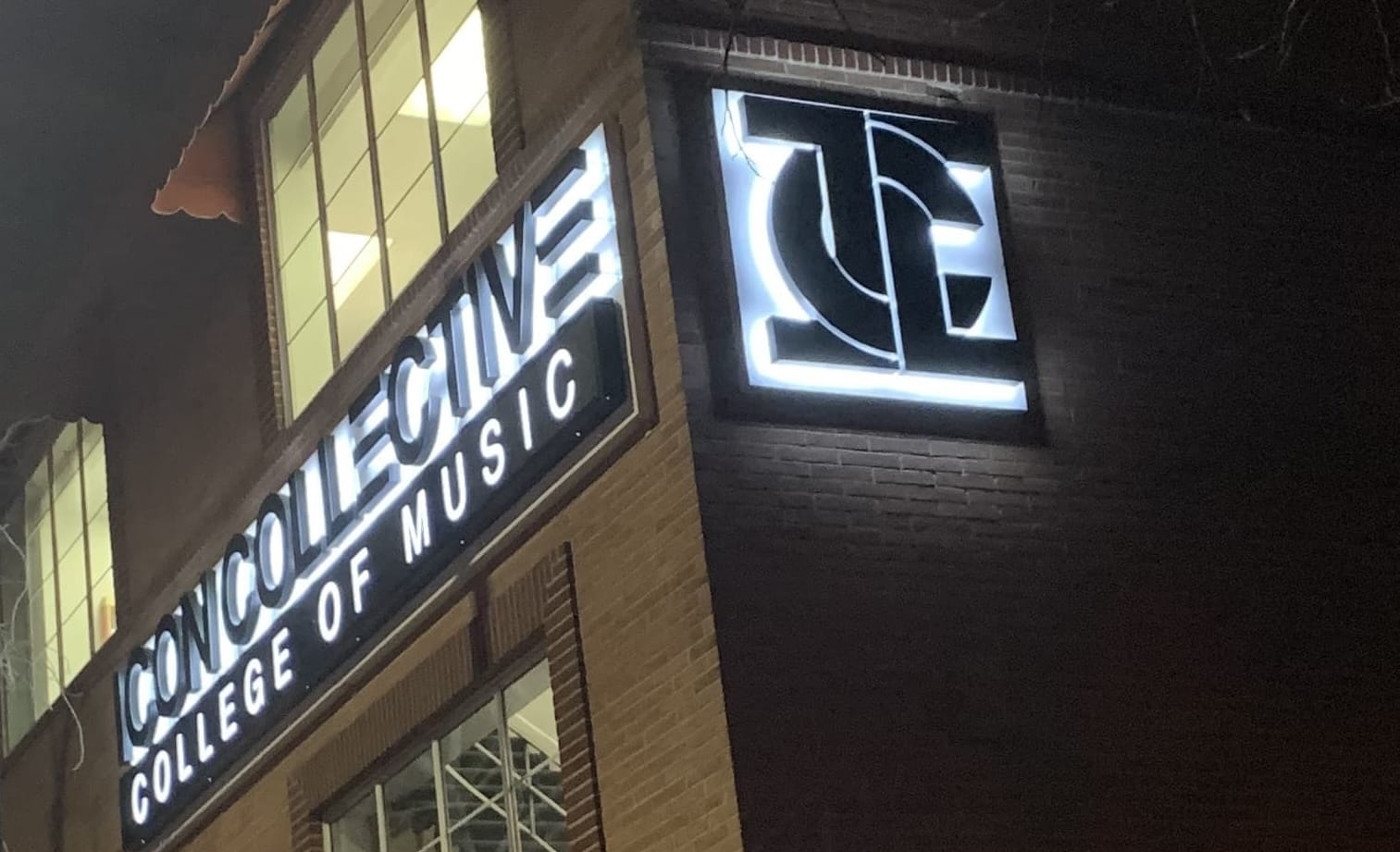
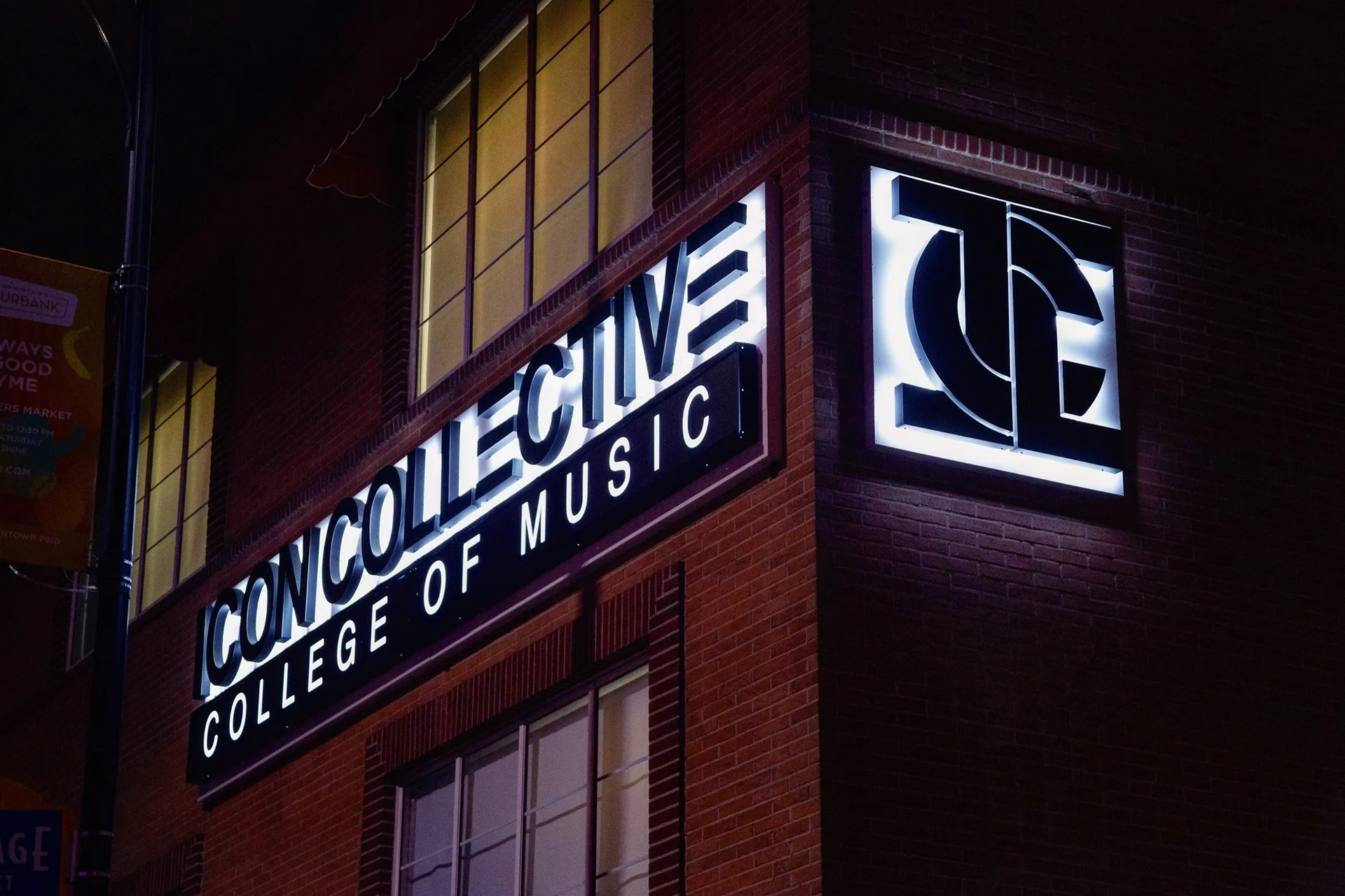
Icon Collective, the legendary Los Angeles music production school, permanently closed its doors on May 29, 2025. For two decades, Icon trained some of electronic music's biggest names including NGHTMRE, Slander, Jauz, Kayzo, Sullivan King, and dozens more.
The closure left hundreds of aspiring producers asking: what happened, and where do I go now?
This article covers the full story of Icon's rise and fall, what led to the closure, where former staff and alumni have landed, and what options exist for producers who want that same caliber of education in 2026.
What Was Icon Collective?
Icon Collective was a private music production school founded in 2005 in Los Angeles. Unlike traditional music schools focused on classical training or jazz, Icon was built specifically for electronic music producers who wanted to make it as independent artists.
What Made Icon Different
Artist-led instruction. Icon's instructors weren't academics who stopped producing years ago. They were active, touring artists who understood the modern music industry firsthand.
Production + business. The curriculum covered both the creative side (sound design, mixing, arrangement) and the business side (marketing, distribution, building a fanbase). Most schools focused on one or the other. Icon did both.
Immersive format. The LA program offered 30 classroom hours per week, essentially a full-time course load. Students weren't dabbling; they were committing.
Industry connections. Icon's alumni network wasn't just a LinkedIn group. Graduates helped each other get signed, booked, and noticed. The community was real.
The Alumni List
Icon's track record spoke for itself. Notable alumni include:
- NGHTMRE: Festival headliner, Gud Vibrations label co-founder
- Slander: Heaven Sent tour, millions of streams
- Jauz: Bite This! label founder, crossover bass music pioneer
- Kayzo: Welcome Records founder, heavy bass mainstage regular
- Sullivan King: Metal-dubstep hybrid, Rockstar Energy ambassador
- Protohype (Max Pote): Dubstep pioneer, later became Icon instructor
- i_o: Techno innovator, Armada signee
The list goes on. For a school that wasn't a university, Icon punched well above its weight. We used to call it 'The MIT of Bass Music' and for good reason.
The Protohype Effect
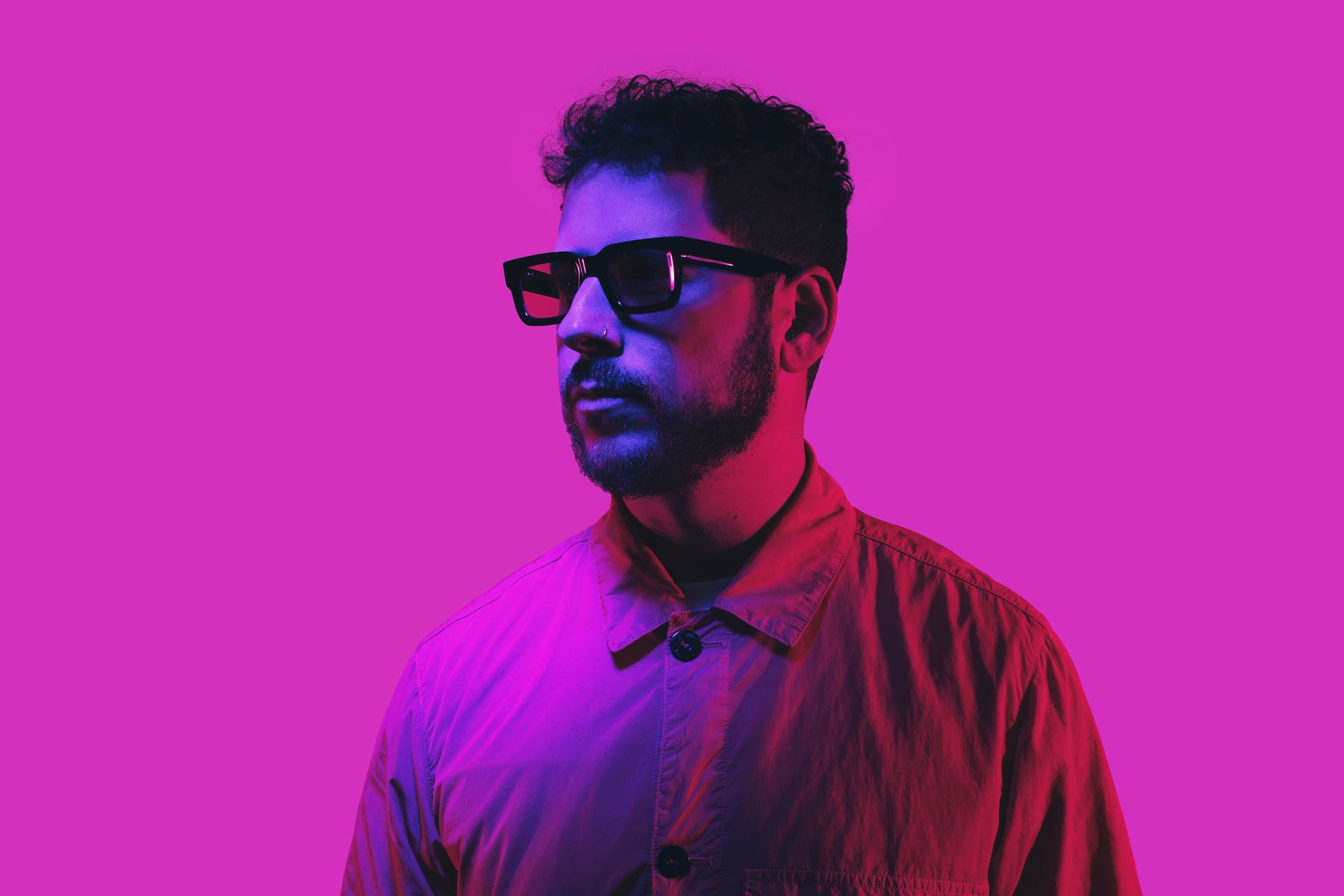
One graduate deserves special mention for his role in Icon's growth: Max Pote, aka Protohype.
Max was one of Icon's earliest graduates in the late 2000s, and he became one of the first Icon alumni to break through in the dubstep scene. His success created a self-reinforcing cycle: aspiring bass music producers saw that Icon had produced Protohype, so they enrolled. Max later returned to Icon as an instructor, training the next generation of producers who'd followed his path.
The Rise: How Icon Became the Standard
Icon started small in 2005, filling a gap that traditional music education ignored: independent electronic artists.
Conservatories taught orchestration. Recording schools taught engineering. But nobody was teaching producers how to build a career making beats in their bedroom and turning that into festival bookings.
Icon filled that void.
Key Milestones
- 2005: Founded in Los Angeles
- Late 2000s: Early graduates like Protohype break through in dubstep
- 2014: Expanded beyond the original LA location
- 2017: Became accredited, allowing students to access financial aid
- 2017-2024: Online programs launched and tripled enrollment under new leadership
- 2020s: Continued producing successful alumni despite industry shifts
By the early 2020s, Icon was widely considered the premier school for aspiring EDM producers. If you were serious about electronic music, Icon was on your radar.
The Online Expansion
A key chapter in Icon's growth came from its online programs. Starting in 2017, a former Icon administrator took over the online division and implemented changes that tripled enrollment over the next seven years. This proved that Icon's artist-led, community-focused model could work beyond the physical LA campus, a lesson that would later inform how former Icon staff approached education after the closure.
The Fall: Why Icon Collective Closed
Icon's closure wasn't a sudden collapse. It was a slow squeeze that became unsurvivable, driven primarily by one fateful decision and spectacularly bad timing.
The Burbank Expansion
The single biggest factor in Icon's closure was its expansion to a much larger facility in downtown Burbank in mid-2020.
This was a massive, multi-year investment that made complete sense when it started. Icon was growing, demand was strong, and a bigger campus would allow the school to serve more students and offer better facilities.
But by the time the new building was ready to open, the world had changed. COVID-19 shut everything down. When in-person education finally resumed, Icon was unable to achieve the enrollment numbers projected before the pandemic. The financial burden of the new facility, combined with lower-than-expected enrollment, created a hole the school could never climb out of.
The Broader Context
Icon's closure also reflected larger shifts hitting music education:
- Rising LA costs. Real estate and operational expenses in Los Angeles increased significantly throughout the 2020s.
- Pandemic aftershocks. The 2020-2021 shutdowns disrupted enrollment pipelines. Students who might have enrolled in 2021 or 2022 found other paths.
- Online competition. More producers were learning online at lower price points. A $20,000+ in-person program faced new competition from $99/month subscriptions.
- Visa uncertainty. Immigration policy shifts created enrollment volatility for schools dependent on international students.
The economics of running a physical music school in Los Angeles became brutal. Icon's closure was the most visible casualty, but it won't be the last.
The Aftermath: What Happened to Students?
The closure hit students hard, especially international students.
Transfer Options
Icon worked to help students land on their feet:
- Academic records: Students could access their records for transfer purposes
- California College of Music: Stepped in to accept comparable credits for music production students
- Tuition recovery: Icon provided guidance on refund eligibility
It wasn't a smooth transition, but it wasn't a complete abandonment either.
Where Are Icon's Instructors and Alumni Now?
The Icon community didn't disappear when the school closed. The people who made Icon special are still teaching, still producing, still mentoring, just in new places.
Former Staff
Several former Icon instructors and administrators have moved on to other educational programs or started their own.
Futureproof Music School: The Icon Legacy Continues
The most direct continuation of Icon's legacy is Futureproof Music School, co-founded by two former Icon team members: Max Pote (Protohype) and John von Seggern.
Max brings the artist perspective. As one of Icon's earliest successful graduates who later became an instructor, he understands both sides of the journey: what it takes to break through as a producer, and how to teach others to do the same. At Futureproof, Max leads mentorship and artist development, bringing the same hands-on guidance that made Icon's instruction legendary.
John brings the educational infrastructure. As Icon's former Director of Online Education from 2017-2024, he built and scaled the online programs that tripled enrollment and proved Icon's model could work digitally. At Futureproof, John handles curriculum development, technology (including the AI coaching system), and operations, applying the lessons learned from scaling Icon's online division.
Together, they've assembled a team of former Icon staff with one explicit goal: recreate the community spirit and high academic standards they helped build at Icon, but in an online format accessible to producers worldwide at $99/month instead of $20,000+.
Alumni Network
Icon's alumni continue to dominate electronic music. NGHTMRE and Slander run Gud Vibrations. Jauz runs Bite This. Kayzo runs Welcome Records. The network built at Icon continues to open doors for people who went through the program.
Icon Collective Alternatives: Where to Study in 2026
If you were considering Icon or want a similar experience, here are your options.
In-Person Programs
- California College of Music (Pasadena, CA), 18-month diploma, accepting Icon transfer credits
- Point Blank Music School (LA, London). Diploma programs, global reach
- LAAMP (Santa Monica, CA), 9-month program, daily collaborative sessions
- Los Angeles College of Music (LA), 1-year Professional Producer Program
- Musicians Institute (Hollywood, CA), 6-18 month programs, associate degree options
Online Programs
- Futureproof Music School ($29-$99/mo). Live workshops + courses, founded by ex-Icon staff including Protohype, AI coach
- Cosmic Academy: 5-week bootcamp, lifetime community access
- Hyperbits Masterclass: 8-week structured program, live sessions included
Hybrid Programs
- Immersed: Online + LA/NYC intensive, four-week coaching programs
- Billboard 500 Club: Year-long accelerator, industry connections focus
What to Look For
The real value of Icon wasn't just the curriculum. When evaluating alternatives, look for:
- Working artist instructors: Are your teachers still active in the industry?
- Community and accountability: Will you be surrounded by other serious producers?
- Feedback on your music: Is there personalized critique, or just pre-recorded lessons?
- Industry connections: Does the program open doors, or just teach skills?
Price isn't everything. A cheap course with no feedback or community won't replicate what made Icon special.
The Icon Legacy
Icon Collective may be gone, but its impact on electronic music is permanent.
The producers it trained continue to headline festivals, run labels, and shape the genre. The teaching philosophy it pioneered, artist-led, production-focused, business-aware, has influenced how the next generation of schools operate.
For producers who missed the chance to attend Icon, the good news: the people and philosophy behind Icon didn't disappear. Futureproof Music School was built by former Icon staff, including Protohype, to carry that torch forward. If you want the same caliber of instruction, community, and artist-led mentorship at a fraction of the cost, that's exactly what we built.
Frequently Asked Questions
Is Icon Collective still open?
No. Icon Collective permanently closed on May 29, 2025.
Why did Icon Collective close?
The primary cause was a major facility expansion in Burbank that opened just as COVID-19 hit. Icon couldn't achieve projected enrollment after the pandemic, and the financial strain was compounded by a 2025 visa freeze for international students.
What's the best Icon Collective alternative?
It depends on your goals, budget, and whether you want in-person or online. For the Icon experience (artist mentors, live feedback, community) at an accessible price point, Futureproof Music School was founded by former Icon staff specifically to continue that legacy.
John von Seggern
Founder & CEO, Futureproof Music School
John von Seggern is the founder and CEO of Futureproof Music School. He holds an MA in digital ethnomusicology (the anthropology of music on the internet) from UC Riverside, and a BA in Music, magna cum laude, from Carleton College. A techno producer and DJ since the late 1990s, he released as John von on his own net.label Xeriscape Records while working at Native Instruments, where he co-authored the MASSIVE synth manual. He contributed sound design to Pixar's WALL-E (2008), was a member of Jon Hassell's late-career Studio Group on Hassell's final two albums, ran Icon Collective's online program with Max Pote for eight years before Icon closed in May 2025, and authored three books on music technology including Laptop Music Power!. He architected Kadence, the AI music coach at the core of Futureproof.
Want more Futureproof in your Google results?
Ready to level up your production?
Join Futureproof for live mentorship, AI coaching, and a community of producers.
Start your 14-day free trial