What Is Hard Techno? A Practitioner's Guide to the Sound, History, and Scene

Founder & CEO, Futureproof Music School
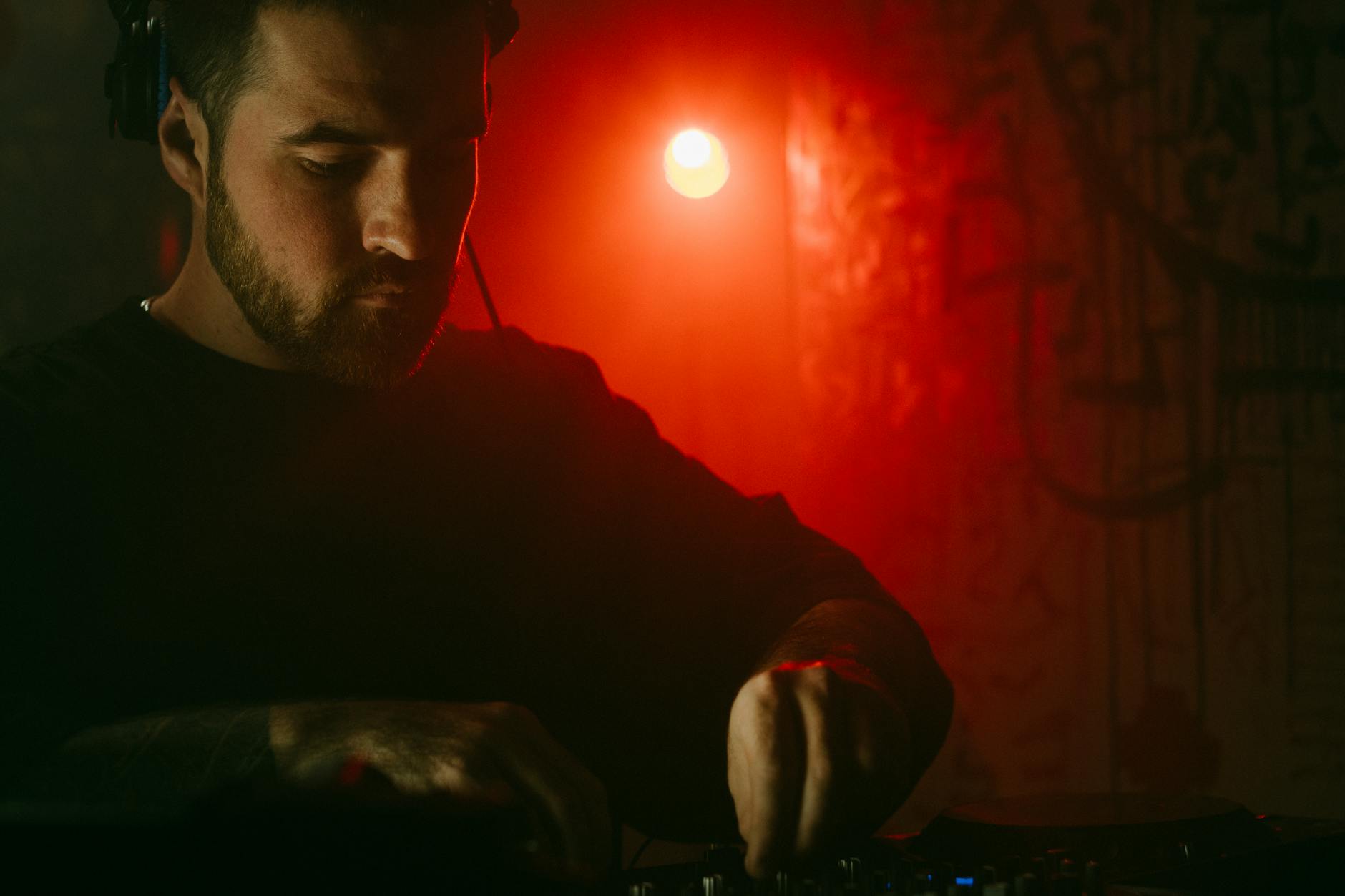
Hard Techno is a high-tempo electronic genre running 145 to 160 BPM, built on distorted kicks, industrial textures, and relentless rhythmic pressure. It evolved from late-1990s Detroit techno and Dutch gabber, and is currently dominating festival stages and underground clubs from Berlin to Tbilisi to Brooklyn.
Hard Techno is what happens when Detroit techno stops asking permission. Tempos push past 145. Distortion becomes a feature, not a flaw. Kicks turn into sub-bass weapons. The sound is engineered to take over a room, not invite people in.
I was making electronic music in Hong Kong in the late 90s when Dutch gabber and Rotterdam hardcore were peaking in Europe, and you could already hear the strain of fast, hard, distorted percussion leaking into techno circles. That's where today's Hard Techno comes from. Read below for more on what it is, where it lives now, and the divide quietly reshaping it in 2026 as the style continues to evolve.
What Defines Hard Techno?
Hard Techno sits inside the broader techno family but has three distinct characteristics that set it apart:
- It's faster. Standard techno is 120 to 140 BPM. Hard Techno is usually more like 145 to 160, with some subgenres pushing past 160.
- It treats distortion as a main element. Kicks, basslines, percussion, even pads get clipped, saturated, and pushed past the point of politeness.
- It builds around the rumble kick. A heavily distorted, reverb-tailed sub-bass kick that pulses through the whole track and gives the genre its physical weight.
If a track is 145 BPM but the kicks are clean and the sound is hypnotic and minimal, that is fast techno, not Hard Techno. If a track is at 138 BPM but every element is distorted and physically punishing, that is closer to Hard Techno in spirit. BPM alone does not define the genre, it's a matter of attitude.
A Short History: Detroit, Gabber, Berlin
Hard Techno's family tree has three main roots.
The first is Detroit techno in the 1980s and 90s, especially the harder, faster offshoots from Jeff Mills and Robert Hood. Their sets pushed tempos and layered distorted drum machines in ways that anticipated everything that came next.
Second is Rotterdam gabber from the same era. Dutch hardcore producers running 180 to 200 BPM with distorted kicks influenced an entire generation of European producers who later wanted that intensity at a tempo people could still dance to all night.
And the third root is Berlin and the broader European industrial techno scene from the late 90s onward. Berlin's underground clubs cultivated a brutalist aesthetic, factory-noise textures, and a tolerance for sonic violence that became the cultural ground Hard Techno grew out of.
The genre as we now know it consolidated between roughly 2018 and 2022, when a wave of producers (most of them based in or orbiting Berlin and Tbilisi) started releasing tracks that fused the Detroit speed, the gabber distortion, and the Berlin texture into something self-consciously its own. Labels like Monnom Black (run by Dax J) and artists like I Hate Models, 999999999, and Sara Landry pulled the sound out of the underground and into festival headline slots.
Hard Techno Subgenres
Inside the umbrella, there are several distinct subgenres. The boundaries are fuzzy and producers move between them, but these are the categories most working artists and DJs use:
Industrial techno focuses on dystopian factory noises, metallic percussion, and atmospheric darkness. Slower end of the Hard Techno tempo range (140 to 150 BPM). Artists: Headless Horseman, Perc, Ansome.
Schranz is the Frankfurt-rooted, minimalist, heavily compressed offshoot. Distorted loops, brutal repetition, minimal melodic content. Originated in the late 90s and had a recent revival. Artists: Chris Liebing's early work, Boris S., AnD.
Hardgroove brings tribal percussion and funk-driven swing into the framework. Higher percussion-to-kick ratio, more rhythmic complexity. Closer to peak-time techno than industrial. Artists: Ben Sims, Cera Khin.
Uptempo Hard Techno pushes past 160 BPM and starts borrowing from hardcore and hardstyle. Drops, build-ups, and pop samples appear here. This is where most of the festival crossover lives. Artists: Sara Landry's faster work, Nico Moreno, Indira Paganotto.
Indira Paganotto at Cercle Festival 2024, A380 stage. Her psytrance-and-acid hybrid is what most listeners mean now when they say 'uptempo Hard Techno,' and the BPM regularly pushes past 150.
Peak time is the festival-ready, mainstage-friendly version. Maximum impact, big drops, trance synths, emotional payoffs. Built for crowds, not headphones. This is the lane that's drawing the most argument right now.
The Hard Techno Artists Defining the Sound
The current vanguard is a small group of artists who took the genre from underground bunkers to global mainstages over the last five years. If you want to understand what Hard Techno sounds like in 2026, these are the people to listen to:
Sara Landry is the US-based producer most now treat as the genre's reference point. Her sets blend industrial weight with melodic and trance elements, and her booking fees have gone up roughly tenfold since 2022. She's the artist most responsible for hard techno's American festival breakthrough.
Sara Landry, the last two and a half hours of a seven-hour set at Knockdown Center, New York, 2024. This is the run that pulled the genre into the US festival circuit.
999999999 is an Italian duo making raw, relentless, distortion-forward tracks. Their live sets are physically punishing in a way that recorded music can never fully capture.
999999999 at Awakenings Festival 2025 in Hilvarenbeek. The Italian duo's live set is where the purist side of the genre lives. No drops, no trance synths, just relentless industrial pressure for ninety minutes.
I Hate Models is the French producer who runs the Disco Inferno label. He pioneered the industrial-techno-meets-trance hybrid that a lot of newer artists are now copying, and he was an early architect of the modern sound.
Nico Moreno broke out of the Lyon scene with a viral, crossover-friendly take on Hard Techno that put him on every major European festival lineup. He's the closest thing the genre has to a pop star.
Trym is German, Berlin-based, and represents the cleaner, more groove-forward end of the spectrum. Less industrial, more rhythmic.
Other artists worth knowing: Dax J (Monnom Black founder), Indira Paganotto, Klangkuenstler, BENNETT (whose remix work has pulled hundreds of millions of streams), Charlotte de Witte (more peak-time techno than Hard Techno proper, but adjacent and very influential).
The Scene in 2026: Two Hard Technos
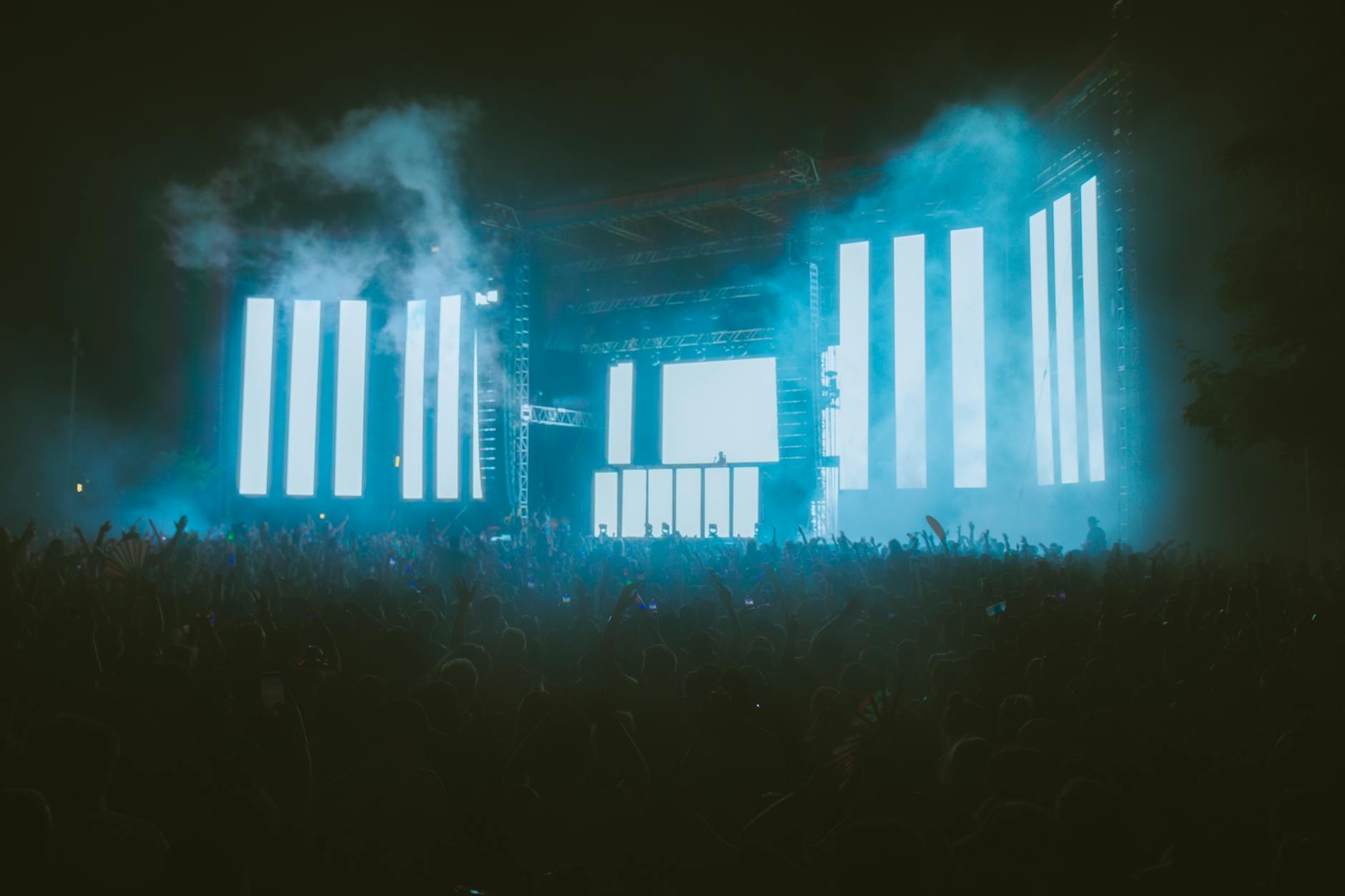
Here is where it gets interesting. There is a real divide running through the genre right now, and depending on which side you ask, you'll get two different answers about what Hard Techno even is.
On one side, the commercial Hard Techno wave. Festivals, pop samples, trance breakdowns, viral TikTok clips, six-figure booking fees. The aesthetic borrows heavily from the EDM-era big room sound, just at 150 BPM with distorted kicks. Promoters love it. Headliners are booked a year out.
On the other side, the purist underground that argues all of this is repackaged hardstyle with a different marketing label. Smaller, phone-free clubs are quietly returning to slower, more hypnotic techno and rejecting the festival sound entirely.
I'm not sure either side is fully right. The purists have a point that the commercial sound is leaning hard on familiar EDM structural tricks, and a lot of what gets called Hard Techno on TikTok is closer to hardstyle than to anything Dax J or I Hate Models would have released in 2019. The festival wave also has a point that genres always change when they get popular, and dismissing every drop as inauthentic erases the producers doing genuinely interesting work at the commercial edge.
What I do think is that BPM alone is not the issue. A well-produced 140 BPM techno track can hit harder than a poorly produced 160 BPM one. The fight is really about sonic philosophy. Is distortion serving the groove, or is it window dressing on a build-and-drop structure that could have been a hardstyle track? Both versions are going to keep existing. Both versions will keep calling themselves Hard Techno. Honest listening is the only way to tell them apart.
Ready to Make Hard Techno?
If you want to actually produce this sound, we wrote a separate guide that covers the studio setup, the rumble kick technique step by step, the 303 acid bass workflow, distortion chains, arrangement at 145 to 160 BPM, and mixing for club impact: How to Make Hard Techno: A Producer's Guide to Raw Power.
If you want a faster path, Futureproof Music School has a 14-day free trial with our full course library, a 24/7 AI music coach trained primarily for electronic genres like Hard Techno, and weekly live workshops with working artists.
Frequently Asked Questions
What BPM is Hard Techno?
Who started Hard Techno?
What's the difference between Hard Techno and hardstyle?
Who is the queen of Hard Techno?
Is 999999999 hard techno?
John von Seggern
Founder & CEO, Futureproof Music School
John von Seggern is the founder and CEO of Futureproof Music School. He holds an MA in digital ethnomusicology (the anthropology of music on the internet) from UC Riverside, and a BA in Music, magna cum laude, from Carleton College. A techno producer and DJ since the late 1990s, he released as John von on his own net.label Xeriscape Records while working at Native Instruments, where he co-authored the MASSIVE synth manual. He contributed sound design to Pixar's WALL-E (2008), was a member of Jon Hassell's late-career Studio Group on Hassell's final two albums, ran Icon Collective's online program with Max Pote for eight years before Icon closed in May 2025, and authored three books on music technology including Laptop Music Power!. He architected Kadence, the AI music coach at the core of Futureproof.
Want more Futureproof in your Google results?
Ready to level up your production?
Join Futureproof for live mentorship, AI coaching, and a community of producers.
Start your 14-day free trial