What Is Phonk? The Dark, Distorted Genre Rooted in Memphis Rap

Founder & CEO, Futureproof Music School
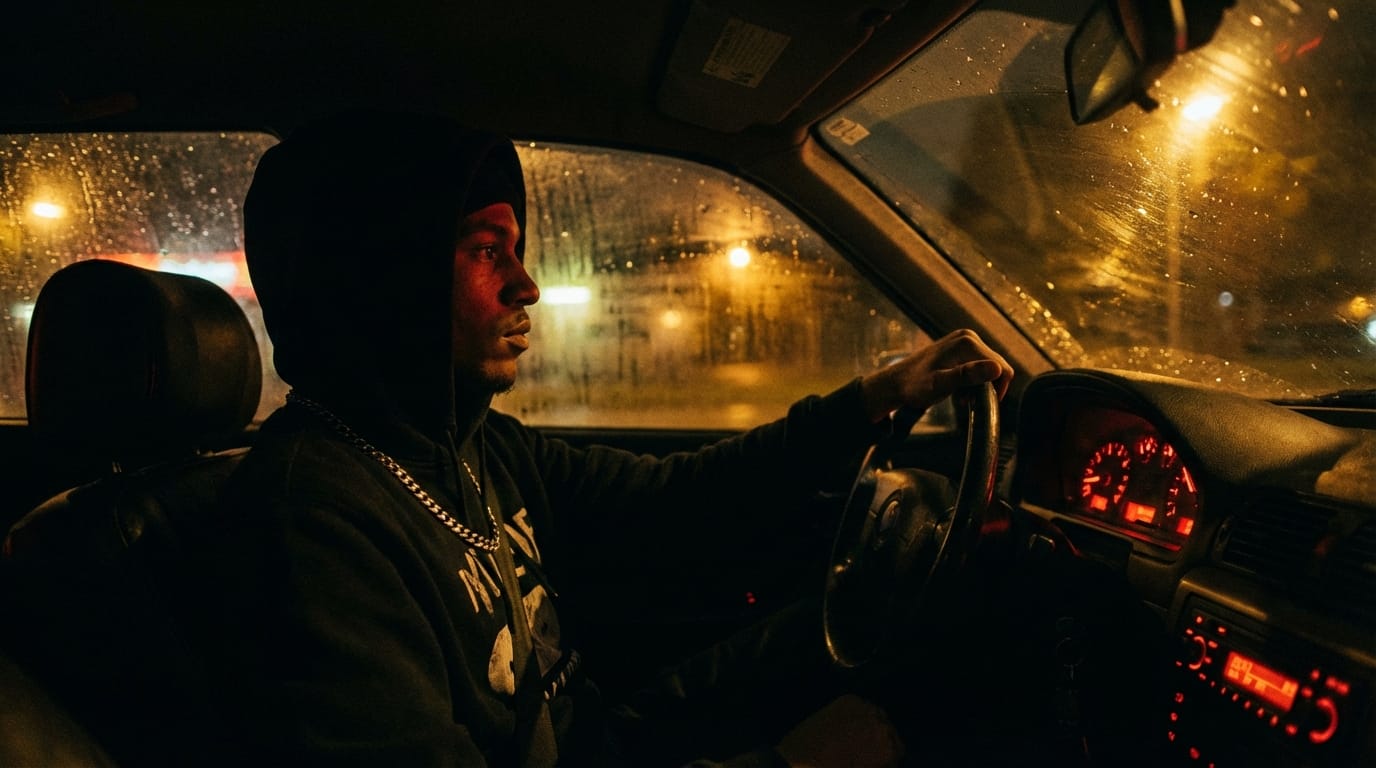
Phonk is a subgenre of hip hop and trap built on samples of 1990s Memphis rap, distorted 808 basses, cowbell-driven rhythms, and a deliberately lo-fi, degraded texture. It emerged from the Memphis underground in the early 1990s and surged into global popularity through SoundCloud and TikTok in the early 2020s, with drift phonk as its most recognizable modern variant.
If you want to understand phonk, you have to start with where it came from. The sound is a revival, and the original material it draws on tells you most of what you need to know about why it sounds the way it does.
Where Phonk Came From
The roots are in Memphis rap from the early-to-mid 1990s, artists like Three 6 Mafia, DJ Zirk, and Koopsta Knicca. That music was slow, usually in the 60 to 90 BPM range, built on distorted 808 drum machines, dark samples pulled from horror films, soul, and funk records, and a rough, DIY recording aesthetic. The grit was not a stylistic choice layered on top. It was the sound of the equipment and the tape these records were made on.
The word "phonk" itself is a play on "funk," nodding to the funk and soul samples that ran through a lot of that early material. What started as a regional underground sound became the seed for a genre that would not fully bloom for another two decades.
The Modern Revival
Modern phonk took shape on SoundCloud in the 2010s and then exploded on TikTok in the early 2020s. A new generation of producers took the Memphis source material and combined it with contemporary trap production, faster tempos, and a set of influences the original artists never imagined, particularly Japanese drift car culture and the Initial D aesthetic.
That is where drift phonk comes from. The faster, more aggressive, more hypnotic variant that soundtracks drift videos and gym edits is the version most people first encounter today. It runs quicker than the original Memphis material, typically 140 to 170 BPM, and leans harder on the cowbell and the distorted 808.
The Main Sub-Genres
Phonk is not one single sound. A few distinct branches have developed:
- Memphis phonk: the modern revival that stays closest to the original 1990s sound, usually 130 to 150 BPM.
- Drift phonk: the fastest and most globally popular variant, 140 to 170 BPM, tied to drift car culture.
- Brazilian phonk: heavier and more aggressive, often built for the gym and for high-energy edits, 140 to 160 BPM.
- House phonk: a four-on-the-floor variant that sits closer to 125 to 135 BPM and blends phonk textures with house rhythms.
What Gives Phonk Its Sound
A few elements define the genre regardless of which branch you are listening to.
The 808 drum machine is central. Phonk uses the classic Roland TR-808 sounds, the kicks, hi-hats, claps, and especially the cowbell, which is the single most recognizable phonk signature. A cowbell line over a distorted 808 is enough to communicate the genre in a few seconds.
Samples are the heart of traditional phonk. Old soul, funk, and gospel records get chopped, pitched, and processed until they sound like a degraded cassette. The processing matters as much as the source.
Distortion and saturation run through everything. Where most electronic genres chase clarity, phonk embraces and amplifies imperfection. Heavy saturation, bitcrushing, and tape distortion are not mistakes to be fixed. They are the aesthetic.
A Global Sound With Local Roots
What makes phonk interesting culturally is that it is a deeply local sound that went global. The Memphis rap tradition it draws from represents a specific time, place, and community. Then producers in Eastern Europe, Japan, and Brazil found something resonant in it and built their own expressions, which is how a regional 1990s underground sound became a worldwide phenomenon thirty years later.
Understanding that lineage matters if you want to make the genre well. When you know why certain sounds belong, you are better equipped to add something of your own without losing what makes phonk phonk.
Ready to Make It?
If you want to go from understanding phonk to producing it, we have a full hands-on walkthrough: How to Make Phonk, where Max builds a track from the drums up, including the 808s, the vocal, the signature lead, and the dirty mix.
Frequently Asked Questions
What BPM is phonk? Most phonk runs between 130 and 170 BPM. Memphis phonk sits around 130 to 150, drift phonk 140 to 170, and house phonk closer to 125 to 135.
Where did phonk come from? It grew out of 1990s Memphis rap (Three 6 Mafia, DJ Zirk, Koopsta Knicca) and was revived and spread globally through SoundCloud and TikTok in the early 2020s.
Why does phonk sound so distorted? The distortion is intentional. Phonk embraces a lo-fi, degraded aesthetic rooted in the rough recording quality of the original Memphis tapes, and modern producers amplify it with saturation and tape effects.
What is drift phonk? Drift phonk is the faster, more aggressive variant (140 to 170 BPM) tied to Japanese drift car culture, and it is the version most people encounter first today.
John von Seggern
Founder & CEO, Futureproof Music School
John von Seggern is the founder and CEO of Futureproof Music School. He holds an MA in digital ethnomusicology (the anthropology of music on the internet) from UC Riverside, and a BA in Music, magna cum laude, from Carleton College. A techno producer and DJ since the late 1990s, he released as John von on his own net.label Xeriscape Records while working at Native Instruments, where he co-authored the MASSIVE synth manual. He contributed sound design to Pixar's WALL-E (2008), was a member of Jon Hassell's late-career Studio Group on Hassell's final two albums, ran Icon Collective's online program with Max Pote for eight years before Icon closed in May 2025, and authored three books on music technology including Laptop Music Power!. He architected Kadence, the AI music coach at the core of Futureproof.
Want more Futureproof in your Google results?
Ready to level up your production?
Join Futureproof for live mentorship, AI coaching, and a community of producers.
Start your 14-day free trial